Welcome to WordPress. This is your first post. Edit or delete it, then start writing!
Author: bodkeshrikant.sb
-
Advanced SEO Hacks for WordPress Websites (Taylor’s Version)
Introduction: WordPress, but Make It Chart-Topping
Like Taylor perfecting every album, your WordPress site deserves ongoing care to stay on top of the charts. WordPress is SEO-friendly by design, but true success comes from combining creativity with technical precision.
I am Shrikant Bodke, a web developer and SEO marketer who has spent six years helping businesses in India and the UK optimize their WordPress websites for performance and visibility. In this post, I’ll share advanced SEO hacks that go beyond plugins and settings, helping your website perform like a chart-topping hit—fast, visible, and built to last.
1. Master On-Page Optimization
Many site owners stop at adding titles and meta descriptions. Advanced on-page SEO focuses on structure, clarity, and relationships between content.
Pro tips:
-
Use semantic keywords and related phrases naturally within paragraphs.
-
Maintain one H1 tag per page and a logical header hierarchy (H2 > H3).
-
Add internal links that connect relevant content.
-
Write descriptive, context-rich image alt text.
Strong internal linking strengthens authority. For example, link your WordPress SEO post to related articles like From Blank Space to Page One: Crafting SEO-Friendly Blogs.
Use your XML sitemap to identify strategic linking opportunities.
2. Speed Optimization: Your Site’s “Tempo”
In music, tempo drives rhythm. In SEO, speed drives engagement. A one-second delay can drastically reduce conversions and rankings.
Practical fixes:
-
Choose lightweight, responsive themes like Astra or GeneratePress.
-
Compress images with ShortPixel or TinyPNG.
-
Cache pages using WP Rocket or W3 Total Cache.
-
Minify JavaScript and CSS with Autoptimize.
-
Test performance using Google PageSpeed Insights.
To go deeper into optimization, see Why Web Performance Matters and How to Make Your Site Faster (Swift-ly!).
3. Use Schema Markup for Better Understanding
Schema markup provides structured data that helps search engines interpret your content correctly. This can improve your click-through rates and unlock rich results.
How to implement it:
-
Install a schema plugin such as Rank Math or Schema Pro.
-
Add FAQ schema to blogs for more visibility in search.
-
Use JSON-LD format and validate your schema using Google’s Rich Results Test.
For a breakdown of modern SEO signals, explore Eras of SEO: From Keyword Stuffing to AI-Driven Strategies.
4. Optimize for Voice Search and Conversational SEO
With Siri, Alexa, and Google Assistant becoming mainstream, voice-first SEO is critical.
Checklist for success:
-
Focus on conversational long-tail keywords.
-
Create FAQs that directly answer user questions.
-
Ensure fast load times and mobile optimization.
-
Write content that sounds natural when read aloud.
Learn more in Speak Now: Voice Search SEO and the Future of Digital Marketing.
5. Strengthen Internal Linking with Cornerstone Content
Think of cornerstone pages as your headlining tracks—the core pages every other post supports.
Strategy:
-
Identify key pages such as Shake It Off or Step It Up: The Future of SEO or SEO and WordPress development services.
-
Link to them from relevant blog posts.
-
Use natural anchor text like “advanced SEO guide” or “optimize your WordPress site.”
-
Avoid over-linking to maintain flow.
Tools like Link Whisper can automate and monitor internal linking.
6. Improve Crawl Efficiency with XML and Robots.txt
Search engines need clean roadmaps to crawl efficiently.
Advanced tips:
-
Generate and submit an XML sitemap using Rank Math.
-
Update your robots.txt file to block unnecessary URLs such as
/wp-admin/. -
Keep your sitemap linked at the root (for example,
/sitemap_index.xml). -
Use Google Search Console to check indexing and crawl stats.
You can learn how structured site setups improve visibility in International SEO: Bridging the Gap Between India and Other Countries.
7. Simplify URLs and Add Canonicals
Your URLs should read like clean song titles—short, descriptive, and easy to remember.
Best practices:
-
Avoid filler words like “and” or “the.”
-
Keep URLs under 75 characters.
-
Use hyphens instead of underscores.
-
Add canonical tags to prevent duplicate content.
Example:
✅ https://staging.shrikantbodke.com/wordpress-seo-hacks
❌ https://staging.shrikantbodke.com/the-best-wordpress-seo-hacks-for-small-businesses
8. Use AI and Automation Smartly
AI tools can streamline repetitive tasks, but real results come from thoughtful strategy.
Useful tools:
-
Surfer SEO for keyword and content gap analysis.
-
ChatGPT or Jasper for outlines and ideation.
-
Ahrefs or Semrush for automated audits and competitor tracking.
For more on balancing automation with authenticity, read AI in Web Development: Saving Time and Helping Us Focus on What Matters.
9. Build a Content Update Calendar
Google rewards freshness. Regularly updating old content shows relevance and reliability.
Action plan:
-
Audit your top 10 traffic-driving pages quarterly.
-
Update outdated stats, screenshots, or links.
-
Add new internal links to recently published blogs.
-
Refresh meta descriptions to reflect new insights.
This steady work mirrors what I described in Midnight Rankings: Late-Night SEO Strategies That Actually Work.
10. Secure and Maintain Your WordPress Site
A safe site keeps both users and search engines happy.
Checklist:
-
Use SSL (HTTPS).
-
Schedule regular backups with Jetpack or UpdraftPlus.
-
Update plugins and themes weekly.
-
Enable two-factor authentication for admins.
-
Limit login attempts to prevent brute-force attacks.
Security enhances trust and contributes indirectly to rankings.
Real-World Results
An Indian startup improved its site speed, schema setup, and internal linking, resulting in an 85% increase in organic traffic in two months.
A UK-based design agency implemented voice-friendly FAQs, Rank Math schema, and a consistent content update calendar. Within three months, their visibility tripled and they started receiving inbound leads from the US and Australia.
Conclusion: Make Your WordPress Site Sing
WordPress gives you creative freedom, but SEO makes it perform. From optimizing speed and schema to adding voice-ready content and structured links, every small tweak makes a big difference.
Taylor’s Red era taught us that mastery requires balance—art and structure, creativity and consistency. The same applies here. With consistent updates and a performance-first mindset, your WordPress website can climb the search charts.
If you want professional help turning your site into a high-performing digital asset, explore my SEO and WordPress development services.
-
-
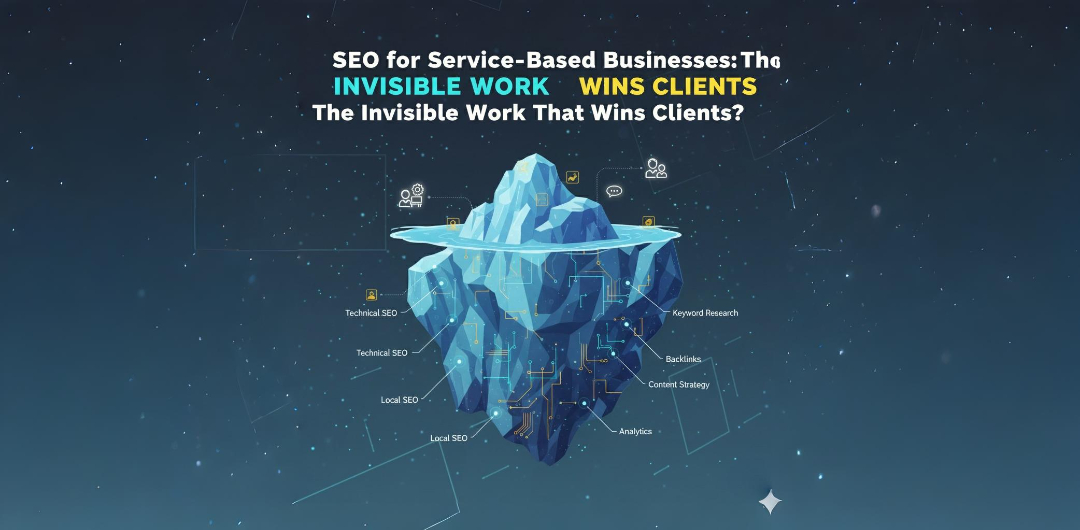
SEO for Service-Based Businesses: The Invisible Work That Wins Clients
Introduction: The Work No One Sees But Everyone Feels
Taylor once said, “The work you do when no one is watching is what defines you.” That’s what SEO feels like for service-based businesses. It’s quiet, consistent work that builds authority, visibility, and trust long before anyone notices the results.
While product-based brands rely on flashy ads or impulse purchases, service businesses earn clients through credibility and expertise. And that trust starts with what you build behind the scenes.
I’m Shrikant Bodke, a web developer and SEO-driven marketer with six years of experience helping service businesses attract clients organically. This post explores how SEO helps service providers turn invisible effort into measurable success.
Why SEO Matters for Service-Based Businesses
When people need a designer, lawyer, or consultant, they begin with a search. If your business doesn’t appear in those results, you’re losing clients who are already looking for exactly what you offer.
Why it matters:
-
Builds credibility and authority through trust.
-
Attracts clients without constant paid advertising.
-
Strengthens brand awareness and client retention.
Just like I shared in Love Story But Make It Digital: How to Turn Followers Into Clients, SEO is about nurturing connection until people are ready to commit.
Step 1: Define Your Niche and Audience
You can’t be everything to everyone. The most successful service providers know their ideal client inside out.
Ask yourself:
-
What industries do I work with most?
-
Which services bring the best results?
-
What challenges do my ideal clients face?
Example:
A web developer in Mumbai might optimize for “WordPress development services India”, while a consultant in London might target “SEO consultant for small businesses London.”📖 Related: International SEO: Bridging the Gap Between India and Other Countries explains how to balance local and global visibility when serving international clients.
Step 2: Optimize Service Pages for Conversions
Your service pages are your digital storefront. They need to rank well and convince visitors to take action.
Checklist:
-
Use keyword-rich, descriptive headings.
-
Add FAQs that answer client questions naturally.
-
Include testimonials, case studies, and reviews.
-
End with a strong call to action like “Book a Consultation.”
Well-written service pages can turn interest into leads. For guidance on writing persuasive web copy, check out The Archer’s Guide to Content Marketing: Aim Your Words to Convert.
Step 3: Strengthen Your Local SEO Foundations
Even if you serve clients remotely, Google prioritizes local signals.
Local SEO actions:
-
Create or update your Google Business Profile.
-
Add service areas, working hours, and descriptions.
-
Collect reviews regularly and reply to them promptly.
-
Use natural, location-based keywords within your content.
📖 Related: Speak Now: Local SEO and Voice Search for Small Businesses explains how optimizing for local and voice search helps you appear in “near me” results.
Step 4: Use Case Studies and Testimonials
Proof drives confidence. Case studies and testimonials show potential clients the impact of your services.
Tips:
-
Highlight the client’s problem, your process, and the result.
-
Add visual proof like screenshots, stats, or before-and-after examples.
-
Include names, photos, or company logos when possible.
📖 Related: Reputation Remix: How Reviews, Testimonials and Trust Drive SEO explores how credibility and feedback strengthen SEO results.
Step 5: Blog Like a Thought Leader
Your blog is where expertise meets opportunity. Publishing useful, relevant posts positions you as an expert.
Blog ideas for service businesses:
-
“How to Choose the Right [Your Service] Partner”
-
“Common Mistakes Businesses Make With [Your Service]”
-
“How We Helped a Client Achieve [Specific Result]”
Consistency builds trust and traffic over time. If you’re unsure how to start, read From Blank Space to Page One: Crafting SEO-Friendly Blogs.
Step 6: Build Trust Through E-E-A-T
Google’s E-E-A-T (Experience, Expertise, Authoritativeness, and Trustworthiness) determines how much credibility your business holds online.
How to demonstrate E-E-A-T:
-
Showcase real credentials, client logos, and results.
-
Create an “About” page that highlights experience and certifications.
-
Include author bios with links to verified profiles.
-
Keep your website layout professional and simple.
📖 Related: Eras of SEO: From Keyword Stuffing to AI-Driven Strategies explains why authenticity is the new SEO currency.
Step 7: Optimize for Voice and Mobile Searches
More people are using voice assistants and mobile devices to find services.
Example queries:
-
“Who is the best website designer near me?”
-
“Affordable accountant for freelancers.”
To appear in voice search results:
-
Use conversational phrases in your content.
-
Add structured FAQs that answer common questions.
-
Test your site’s mobile performance using Google PageSpeed Insights.
📖 Related: Speak Now: Voice Search SEO and the Future of Digital Marketing.
Step 8: Track Leads and ROI
SEO isn’t just about rankings; it’s about measurable growth.
What to track:
-
Form submissions and phone calls.
-
Google Business Profile insights for local engagement.
-
Conversion rates from organic traffic.
Use Google Analytics 4 to track which pages bring the most qualified leads.
📖 Related: Social Media Metrics That Actually Matter (Taylor’s Version) highlights why tracking meaningful results drives smarter marketing decisions.
India vs UK: Different Paths, Same Goal
India:
Focus on affordability, mobile-first design, and visibility. Long-tail and multilingual keywords perform well in regional searches.UK:
Authority and reputation matter more. Case studies, professional design, and consistent content create stronger client trust.Both markets reward clear messaging, genuine reviews, and valuable content.
Real-World Example
An Indian consulting firm improved their inquiries threefold by optimizing service pages with FAQs and client reviews. They also added local keywords and Google Business updates weekly.
Meanwhile, a UK-based agency focused on thought-leadership blogs and published detailed case studies. This led to international collaborations and a 40 percent boost in organic leads.
Conclusion: The Invisible Work That Pays Off
SEO for service-based businesses is like the quiet work that builds reputation. You may not see results immediately, but every optimization, review, and article contributes to visibility and client trust.
Taylor’s creative reinventions show us the importance of evolution. The same applies here. Keep refining your strategy, track results, and continue the work no one sees but everyone feels.
Want to grow your client base organically?
I help service-based businesses in India and the UK build credibility and rank for meaningful searches. Explore my SEO and digital marketing services and let’s build the invisible strategy that drives real results.
-
-
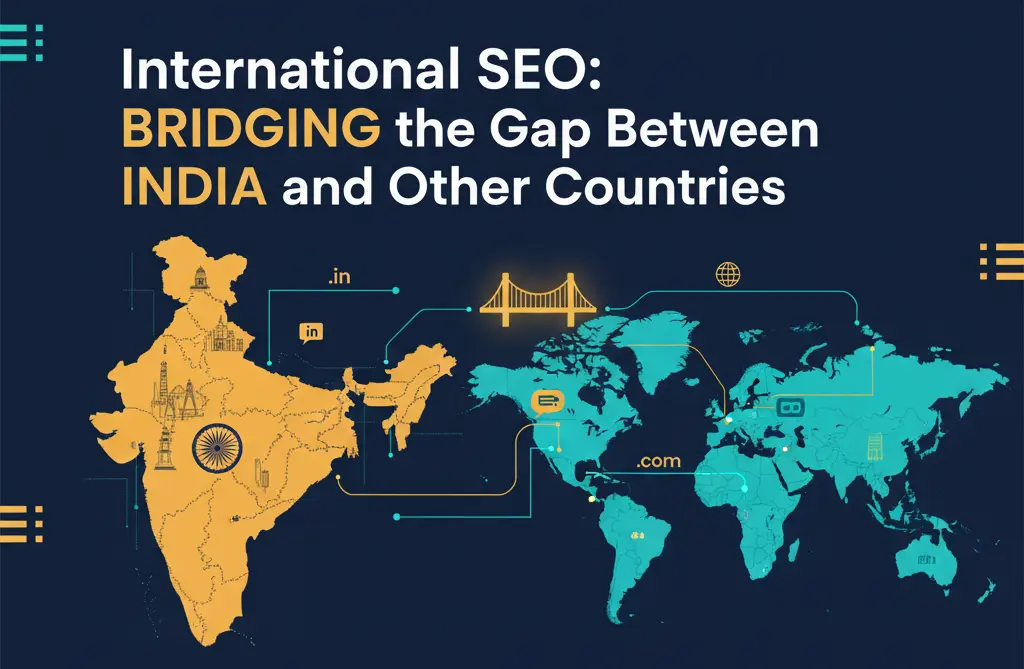
International SEO: Bridging the Gap Between India and Other Countries
Introduction: Connecting Worlds, One Search at a Time
In You Are in Love, Taylor Swift sings about finding connection even across distance. That’s exactly what international SEO does. It connects businesses across borders, languages, and search habits.
I’m Shrikant Bodke, a web developer and SEO marketer with six years of experience helping businesses across the globe grow beyond their local boundaries. Over time, I’ve seen how user intent, search language, and even Google’s behavior vary across markets.
This blog will help you bridge that gap. You’ll learn how to make your website visible, trusted, and effective across regions — without losing its authenticity.
Why International SEO Matters
Expanding globally means adapting, not copying. What ranks in India may fail in the UK or US if you don’t tailor your approach.
Here’s why it matters:
- Search intent changes across cultures and languages.
- Local Google results differ by region.
- Mobile use dominates in India, while desktop use remains strong in Western markets.
Without international SEO, your site may send the wrong signals to search engines or display irrelevant versions to users abroad.
Step 1: Use Hreflang Tags the Right Way
Hreflang tags tell Google which language or region your content is meant for. This avoids duplication issues and helps users find the right version.
Example:
<link rel="alternate" hreflang="en-in" href="https://staging.shrikantbodke.com/international-seo-india" />
<link rel="alternate" hreflang="en-gb" href="https://staging.shrikantbodke.com/international-seo-uk" />
This ensures your Indian audience sees content suited to them while UK users get localized results.
📖 Related: Eras of SEO: From Keyword Stuffing to AI-Driven Strategies explains how structured signals like hreflang help search engines understand your site.
Step 2: Choose the Right Domain Structure
Your domain structure guides search engines about your market focus.
Options:
- Country code domains (ccTLD):
example.co.in,example.co.uk - Subdomains:
in.example.com,uk.example.com - Subdirectories:
example.com/in/,example.com/uk/
For most small businesses, subdirectories work best. They’re easier to manage and maintain the authority of your main domain.
Step 3: Optimize for Regional Keywords
Keywords that perform well in India might not even exist in UK searches. Adapt your research per market.
Example:
- India: “digital marketing company near me”
- UK: “digital marketing agency London”
Use tools like Ubersuggest, Ahrefs, and Google Keyword Planner to analyze search intent and volume by country.
📖 Related: Shake It Off or Step It Up: The Future of SEO covers how evolving search intent is shaping modern SEO.
Step 4: Translate and Localize Your Content
Translation is only half the work. Localization ensures your content feels natural in every market.
Localization tips:
- Use local currencies, time zones, and contact details.
- Adapt pricing and measurements.
- Reflect local trends, holidays, and customer behavior.
- Adjust tone to match cultural expectations.
A direct translation might get your words across, but localization gets your message understood.
📖 Related: Speak Now (Follow-Up): Local SEO and Voice Search for Small Businesses dives into how adapting to local language and intent boosts visibility.
Step 5: Build Backlinks from Local Sources
Links from regionally relevant websites signal to Google that your business has local credibility.
How to get them:
- Guest post on reputable local blogs.
- Partner with local influencers or media.
- List your business in regional directories.
Backlinks act as trust signals that show your business has authority beyond borders.
📖 Related: Reputation: How Reviews, Testimonials and Trust Drive SEO explains how credibility boosts both rankings and conversions.
Step 6: Improve Speed and Mobile Experience Globally
What loads instantly in India might lag in the UK due to server distance or network variations.
Best practices:
- Use a Content Delivery Network (CDN) to deliver content faster worldwide.
- Compress and optimize images using WebP format.
- Minimize JavaScript and use responsive layouts.
- Test speed using Google PageSpeed Insights.
📖 Related: Why Web Performance Matters and How to Make Your Site Faster (Swift-ly!) for practical optimization tips.
Step 7: Create Country-Specific Content
One message rarely fits every audience. Write content that resonates with each region’s culture and needs.
Examples:
- India: “Affordable SEO Services for Local Startups”
- UK: “How to Choose a Reliable SEO Consultant in London”
By tailoring examples and tone, you make your content relatable and trustworthy.
📖 Related: You Belong With SEO: How to Build Long-Lasting Google Rankings explains how consistent and audience-focused content builds authority over time.
Step 8: Set Up Google Business Profiles for Each Market
If you operate in more than one country, create separate Google Business Profiles.
Checklist:
- Add local addresses, phone numbers, and service areas.
- Use native languages in business descriptions.
- Encourage reviews from each market separately.
📖 Related: Speak Now: Local SEO and Voice Search for Small Businesses discusses how local profiles boost voice and “near me” searches.
Step 9: Track and Analyze by Region
Use Google Analytics and Search Console to monitor performance across countries.
Metrics to track:
- Traffic by region
- Conversion rates by market
- Keyword ranking by country
- Bounce rates and engagement differences
When you know what works where, you can replicate success and improve weak spots.
📖 Related: Social Media Metrics That Actually Matter (Swiftie Version) explains why measuring meaningful data drives smarter decisions.
India vs Other Countries: SEO Differences
India:
- Mobile dominates.
- Searches are often multilingual.
- Users rely on long-tail and local terms.
Western Markets (UK, US, etc.):
- Authority and backlinks weigh more heavily.
- Content design and transparency affect trust.
- Desktop and tablet usage remain stronger.
The goal isn’t to choose one strategy but to balance both. Adapt global principles locally.
Real-World Examples
- India to UK:
A tech client in Mumbai wanted to attract UK clients. We created a/uk/subdirectory with localized pricing, contact info, and case studies. In six months, their UK organic traffic grew by 80 percent. - UK to India:
A London-based agency added Hindi and Marathi versions of key service pages. Within three months, they started ranking for regional keywords and gained over 200 qualified leads.
Conclusion: Global Reach, Local Feel
International SEO is about building bridges, not just rankings. It helps your business reach across cultures while feeling local in every interaction.
Think of it like Taylor Swift’s global tour. The songs are the same, but every performance connects differently with each city. Your SEO should work the same way — one voice, many local touches.
With the right strategy, you can turn your website into a global stage.
✨ Ready to expand your digital reach?
I help businesses in India and the UK create global visibility through multilingual SEO, localization, and performance-focused strategies. Explore my SEO and digital marketing services and let’s grow your audience beyond borders.
-
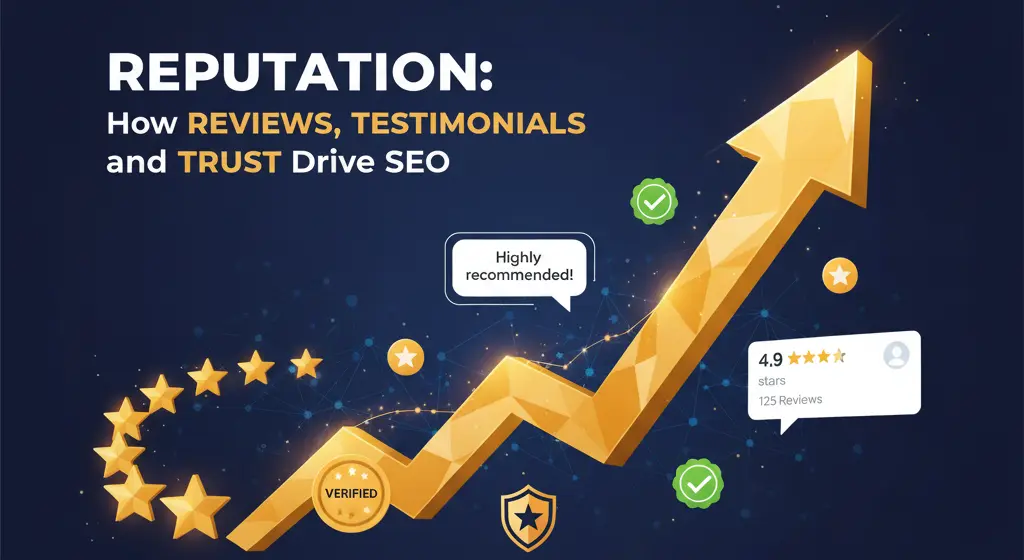
Reputation: How Reviews, Testimonials and Trust Drive SEO
Introduction: Reputation is the New Ranking
In Reputation, Taylor Swift flipped the script. She showed that even negative talk can become power when you control your story. The same principle applies to SEO. Your online reputation shapes how people and search engines see your business.
Positive reviews, real testimonials, and consistent trust signals are what make a brand credible. When customers trust you, algorithms follow.
I am Shrikant Bodke, a web developer and SEO marketer who has spent over six years helping small businesses in India and the UK grow through authenticity and strategy. In this post, let us explore how reviews, testimonials, and trust can become your biggest ranking advantage.
Why Reputation Matters for SEO
Reputation is not just about image. It directly affects visibility and conversions. Search engines like Google rely on E-E-A-T (Experience, Expertise, Authoritativeness, and Trustworthiness) to evaluate websites.
Why it matters:
-
Google prioritizes reputable and trustworthy businesses.
-
About 90 percent of customers read reviews before purchasing.
-
A single negative review can reduce conversions by up to 30 percent.
When your business earns consistent positive feedback, search engines view it as a reliable result to show users. Search engines prioritize businesses that show authority and transparency. Building credibility through reviews, testimonials, and ethical SEO practices helps you adapt to algorithm updates and maintain visibility. For insights into where SEO is heading next, check out my post Shake It Off or Step It Up: The Future of SEO.
📖 Related: Reputation and Rankings: Managing Your Online Presence Like a Pop Star
Step 1: Encourage Genuine Reviews
Your happiest customers are often the quietest. Encourage them to share their experience.
Reviews also strengthen your visibility in local searches. When combined with a well-optimized Google Business Profile, they can help your business appear in “near me” and voice search results. Learn more in my blog Speak Now: Local SEO and Voice Search for Small Businesses.
Tips:
-
Include direct links to your Google Business Profile.
-
Send polite follow-up emails or WhatsApp messages after service completion.
-
Display your best reviews on your homepage or service pages for credibility.
This also strengthens local visibility. As I mentioned in Speak Now (Follow-Up): Local SEO and Voice Search for Small Businesses, reviews play a major role in “near me” searches and voice assistant recommendations.
Step 2: Respond to Every Review
Every review deserves a reply. Engaging with customers shows professionalism and care, even when feedback is not entirely positive.
Best practices:
-
Thank customers for positive comments.
-
Respond calmly to criticism and offer a solution.
-
Never delete or ignore negative reviews.
Example: A UK-based client I worked with made it a habit to respond to reviews within 24 hours. Within weeks, their Google ranking improved, and new customers specifically mentioned their responsiveness as a deciding factor.
Step 3: Collect and Display Testimonials
Testimonials add an emotional layer of trust. Unlike reviews, they come directly from clients you have worked with, adding authenticity and depth.
Testimonials create emotional credibility, showing real people achieved results with your help. The right words can turn curiosity into conversions, a concept I explore in The Archer’s Guide to Content Marketing: Aim Your Words to Convert.
How to use testimonials effectively:
-
Place them on your homepage and service pages.
-
Include names, photos, and business details when possible.
-
Repurpose them into short video clips or social media stories.
When people see others vouch for you, they feel safe making a decision.
📖 Related: Love Story, But Make It Digital: How to Turn Followers Into Clients
Step 4: Add Review Schema for SEO
Structured data helps search engines recognize and display your reviews in rich results. This can add star ratings, review snippets, and testimonials right under your search listing.
Benefits:
-
Increases click-through rate (CTR).
-
Builds instant credibility in search results.
-
Reinforces authority in your niche.
You can add this using plugins like Rank Math or manually via JSON-LD.
📖 Related: Eras of SEO: From Keyword Stuffing to AI-Driven Strategies
📚 External: Google Developers – Review Snippet Structured Data
Step 5: Use Trusted Third-Party Platforms
Depending on your industry, different review platforms can help you reach more people.
Recommended platforms:
-
Trustpilot for general business reviews.
-
Clutch for B2B service providers.
-
Facebook and LinkedIn for testimonials and recommendations.
These platforms often appear independently in search results, increasing your visibility beyond your own website.
Step 6: Create Case Studies as Proof
Case studies are like storytelling with data. They help potential clients visualize results.
How to create effective case studies:
-
Start with a challenge, show your solution, and highlight measurable outcomes.
-
Add short quotes from clients.
-
Include visuals like charts, screenshots, or before-after comparisons.
I used this same storytelling method in Midnight Rankings: Late-Night SEO Strategies That Actually Work, showing how consistent background work drives visible results.
Step 7: Monitor Brand Mentions and Feedback
Your reputation is shaped not only by reviews but also by mentions on the web. Tracking what others say helps you engage positively and manage issues early.
Useful tools:
-
Google Alerts for basic brand tracking.
-
Ahrefs Alerts for backlinks and mentions.
-
Brand24 for social and online monitoring.
Acknowledging mentions, even casual ones, strengthens your connection with customers.
Step 8: Reputation and SEO Work Together
Strong reputation signals make SEO more effective.
Combined impact:
-
Positive reviews improve local SEO rankings.
-
Testimonials with schema markup increase CTR.
-
Case studies and brand mentions boost your site’s E-E-A-T score.
Trust helps you convert visibility into loyal customers.
India vs United Kingdom: Different Paths to Trust
India:
Local language reviews and testimonials connect better with audiences. Many buyers still rely on personal recommendations, so showing authenticity in Hindi, Marathi, or other languages can create stronger trust.United Kingdom:
Verified and detailed reviews matter more. UK audiences value transparency, quick responses, and professional presentation. Publishing client features or PR articles improves credibility.
Real-World Examples
India:
A Mumbai salon started adding review request links to customer receipts and WhatsApp confirmations. Within two months, its Google rating jumped from 3.9 to 4.7, and walk-ins increased by 35 percent.United Kingdom:
A consulting firm created LinkedIn posts featuring client testimonials and published case studies on its website. Organic leads rose by 40 percent within three months.
Conclusion: Remix Your Reputation
Taylor’s Reputation era was about reclaiming the narrative. In SEO, managing your online reputation is about doing the same. Reviews, testimonials, and trust signals are no longer optional. They are core ranking and conversion factors.
Ask for reviews, reply thoughtfully, and showcase real client stories. Let your credibility speak louder than keywords. When customers trust your name, search engines do too.
If you want help building a reputation that turns into rankings, explore my SEO and digital marketing services. Together, we can turn customer voices into your strongest SEO signal.
-
-
Speak Now: Local SEO and Voice Search for Small Businesses
Introduction: Small Voices, Big Impact
In her album Speak Now, Taylor Swift reminds us to use our voice before the moment slips away. For small businesses, that voice is your online presence. Local SEO and voice search make sure people nearby can find and trust your business, whether you run a cafe in Pune or a consultancy in Manchester.
I am Shrikant Bodke, a web developer and SEO marketer with six years of experience helping small businesses in India and the UK. Many small brands believe SEO is reserved for large companies, but the truth is that local SEO and voice search can help smaller players win visibility and customers. Let us look at how you can make your business heard.
Why Local SEO Matters for Small Businesses
Local SEO helps your business show up when people search for products or services near them. It is the most effective way to connect with nearby customers who are ready to take action.
Why it matters:
-
Around 46 percent of all Google searches have local intent.
-
“Near me” searches have grown by more than 150 percent in recent years, according to Moz.
-
Local SEO drives both in-store visits and online conversions.
For example, when someone searches “best bakery near me,” a bakery with an optimized profile, accurate details, and positive reviews will appear on top. Local SEO is how you ensure your business is that bakery.
If you want to understand more about building trust through online visibility, check out my blog Reputation and Rankings: Managing Your Online Presence Like a Pop Star and You Belong With SEO: How to Build Long-Lasting Google Rankings.
Why Voice Search Matters
Voice search is changing the way people find information. Instead of typing, users ask their devices directly for recommendations.
Why it matters:
-
About 58 percent of consumers use voice search to find local businesses, according to Search Engine Journal.
-
Voice queries are conversational and often contain more context than text searches.
-
Most voice searches happen on mobile devices, which makes mobile performance critical.
For example, someone might ask, “Hey Google, who is the best dentist near me in Mumbai?” Optimizing your content for this type of natural question can help your business appear as the top result.
You can learn more about voice optimization in my earlier post Speak Now: Voice Search SEO and the Future of Digital Marketing.
Step 1: Optimize Your Google Business Profile
Your Google Business Profile (GBP) is the foundation of your local SEO. It helps Google understand your business and display it correctly across Maps and local search results.
Checklist:
-
Ensure your Name, Address, and Phone number (NAP) are accurate and consistent.
-
Upload updated photos of your business, team, and products.
-
Add posts, events, and special offers regularly.
-
Encourage satisfied customers to leave reviews.
Reviews play a big role in how customers and search engines perceive your business. Responding to reviews shows professionalism and builds trust.
Step 2: Use Conversational Keywords
Voice searches are longer and more natural than typed queries. That means your content should match the way people actually talk.
Examples:
-
Typed: “best SEO consultant UK”
-
Voice: “Who is the best SEO consultant near me in London?”
Action Plan:
-
Add an FAQ section to your website using real customer questions.
-
Use long-tail and location-based keywords in your content.
-
Include natural question phrases like “who,” “what,” “where,” “how,” and “why.”
This conversational approach not only helps with voice search but also improves engagement and click-through rates. You can read more about effective content writing in my blog From Blank Space to Page One: Crafting SEO-Friendly Blogs.
Step 3: Optimize for Mobile and Speed
Since most voice searches happen on mobile devices, your website needs to be fast and responsive. A slow website can cause users to leave before they even see your content.
How to improve:
-
Compress large images without losing quality.
-
Use a mobile-friendly, responsive layout.
-
Test your site regularly using Google PageSpeed Insights.
A fast, responsive site enhances user experience and helps you rank higher in both voice and local searches. For more tips, read my post Why Web Performance Matters and How to Make Your Site Faster (Swift-ly!).
Step 4: Create Local Content That Converts
Local content connects your brand with the community around you. People want to support businesses that understand their area and needs.
Ideas to try:
-
Write blog posts that target local keywords such as your city or neighborhood.
-
Highlight stories about your customers or community involvement.
-
Share local case studies that show real results.
For instance, a real estate agency can write about “top housing projects in Navi Mumbai,” or a law firm can post about “legal tips for startups in Manchester.” Learn more about writing powerful blog content in Eras of SEO: From Keyword Stuffing to AI-Driven Strategies.
Step 5: Encourage and Respond to Reviews
Reviews help both people and algorithms decide whether to trust your business. Voice assistants often rely on ratings and reviews when suggesting local options.
Tips:
-
Ask happy customers to leave honest feedback.
-
Thank people for positive reviews and address negative ones politely.
-
Display a few standout reviews on your website.
A client in the UK doubled their leads within three months after focusing on collecting and managing Google reviews.
Step 6: Add Structured Data (Schema Markup)
Schema markup helps search engines understand your website better. Adding structured data improves your chances of appearing in rich results and even in voice answers.
Types of schema to add:
-
LocalBusiness schema for your main business information.
-
FAQ schema for common customer questions.
-
Product or Service schema for what you offer.
For more on technical SEO, see Master Responsive Design in 2025 with CSS Subgrid & Fluid Containers.
India vs United Kingdom: Local SEO in Practice
The local SEO landscape looks a little different across markets.
India:
-
Multilingual SEO is important. Many people search in Hindi, Marathi, or regional languages.
-
Using local language keywords and transliteration improves discoverability.
United Kingdom:
-
Competition is stronger, so trust signals matter more.
-
Case studies, PR mentions, and verified reviews help build authority.
Real-World Examples
India:
A restaurant in Pune optimized its Google Business Profile, created blogs with location-based keywords, and asked for customer reviews. Within two months, it ranked among the top three results for “restaurants near me.”United Kingdom:
A Manchester law firm added FAQ pages with natural, voice-friendly questions like “Who is the best family lawyer near me?” Within weeks, they began appearing in local voice search results, driving new client inquiries.
Conclusion: Speak Now or Miss Out
Local SEO and voice search are not future trends; they are happening right now. By optimizing your Google Business Profile, using conversational keywords, focusing on mobile speed, creating local content, and gathering reviews, you can make sure your business is visible where it matters most.
Just like Taylor’s Speak Now reminds us to take action before it is too late, small businesses should act now to secure their local presence. Every review, every local keyword, and every optimized page helps your business stand out to people who are already looking for what you offer.
If you want expert help implementing these strategies, explore my SEO and digital marketing services. Together, we can make your small business the one customers hear first when they ask their devices for help.
-
-

What’s One Way You’ve Used AI to Simplify a Task?
Not everything has to be an All Too Well (10-minute version) of work. Sometimes, you just want the clean 3-minute pop track.
For me, that moment came when AI turned the endless loop of website testing into something quick, simple, and (dare I say) fun.
Instead of clicking through dozens of devices, resizing windows like I was in some kind of cruel “Choose Your Own Adventure,” and running reports that felt longer than The Tortured Poets Department. I tried AI.
Here’s what changed:
- Performance audits? Instant.
- SEO gaps? Highlighted with clear, quick suggestions (and if you’re curious about where search is headed next, check out Shake It Off or Step It Up: The Future of SEO).
- Landing page outlines? Drafted in seconds.
- User flow predictions? Ready before I even hit refresh.
And no, AI didn’t replace me. It was more like my backup singer, it hit the repetitive notes so I could focus on the creative parts of the show.
Why It Matters
Repetitive work drains your energy, and honestly, it steals the spotlight from the stuff that actually matters: creativity, strategy, and making your work shine.
Think of AI as your quiet co-writer. It helps shape the draft, but you still get to decide the final lyrics.
Real-Life Examples
I’m not the only one leaning on AI to simplify tasks:
- Marketers use tools like SurferSEO and Frase to brainstorm outlines, while still making sure their sites belong with SEO.
- Designers use Google PageSpeed Insights to test responsiveness instead of resizing every screen manually. Pair that with insights from Core Web Vitals optimization, and you’ve got a performance setup worth cheering for.
- Developers often combine AI with modern standards, like some of the HTML5 updates you should actually use, to ship smoother projects faster.
- Writers use AI to shake off writer’s block, but still polish everything in their own voice.
I’ve shared more of my web dev + SEO stories right here on the blog, think of this post as the debut single, and the rest as the bonus tracks waiting for you to hit play.
My Takeaway
AI isn’t the main act, it’s the supporting harmony. It helps you shake off the repetitive work so you can focus on the parts of your job that feel like the bridge of Enchanted: bold, creative, unforgettable.
And when you combine AI with emerging tech like WebAssembly basics, your workflow doesn’t just get easier, it gets smoother and faster too.
So, now I’m curious. I’ve told you my AI story. What’s yours?
-
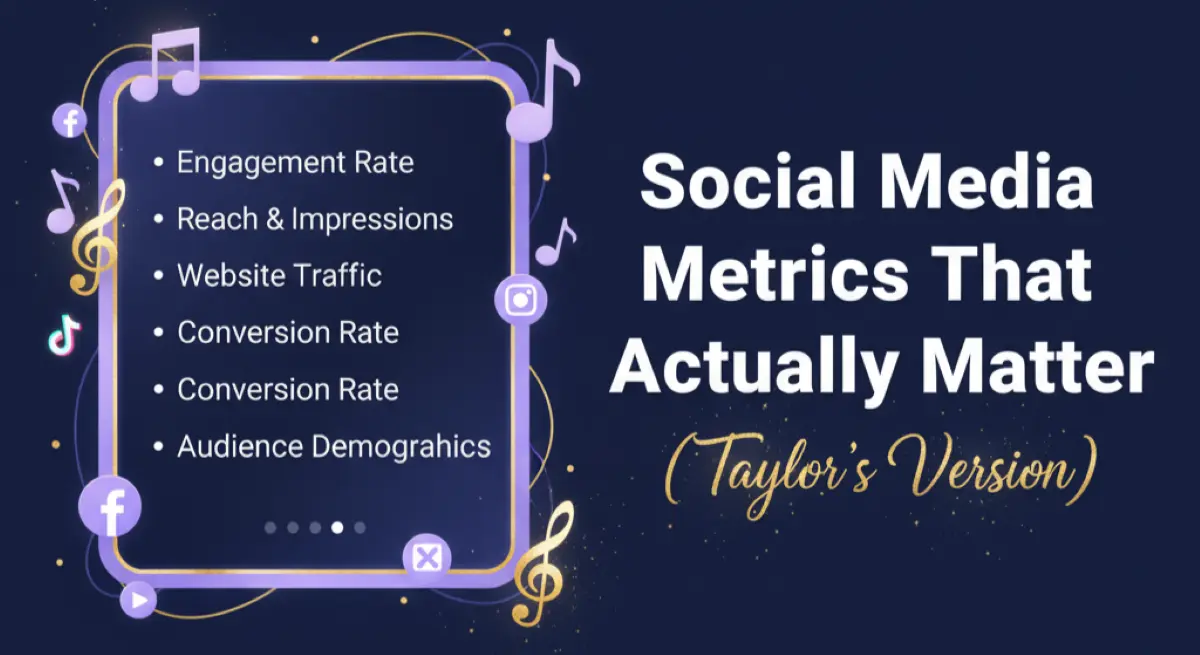
Social Media Metrics That Actually Matter
Introduction: Beyond Vanity Numbers
When Taylor re-recorded her albums as Taylor’s Version, she reclaimed ownership and reminded us of what really matters: authenticity and control.
Social media is no different. Chasing likes and followers may look good, but those “vanity metrics” don’t always translate into growth. What truly matters are the numbers that push your business forward.
I’m Shrikant Bodke, a web developer and digital marketer. Over the past six years, I’ve worked with businesses in India and the UK, helping them move beyond vanity numbers and focus on metrics that actually drive sales, trust, and long-term growth. Let’s break down the social media metrics that really matter in 2025, Taylor’s Version.
Metrics That Don’t Matter (as Much)
Before focusing on what counts, let’s clear out the noise:
- Follower count: Looks good for credibility but without engagement, it’s just a number.
- Likes: Show interest, but they don’t always equal conversions.
- Views: A viral reel may boost visibility but not revenue.
👉 Think of these as catchy singles without substance, fun, but they won’t build a legacy.
Metrics That Actually Matter
1. Engagement Rate
Engagement rate shows how much your audience interacts with your content, comments, shares, saves, and conversations.
Why it matters:
- Reflects genuine connections.
- Algorithms reward content that sparks engagement.
- Engagement leads to trust, and trust leads to sales.
👉 I explain this bridge between conversations and clients in Love Story, But Make It Digital: How to Turn Followers Into Clients.
2. Click-Through Rate (CTR)
CTR measures how many people clicked your link after seeing your post.
Why it matters:
- Shows if your call-to-action is effective.
- Higher CTR = more people moving from content to action.
👉 See my blog The Archer’s Guide to Content Marketing: Aim Your Words to Convert it’s all about writing words that inspire clicks.
3. Conversion Rate
This is where metrics meet money: how many clicks became leads or sales.
Why it matters:
- Directly tied to ROI.
- Justifies marketing spend.
- Shows how social contributes to business growth.
👉 In Reputation and Rankings: Managing Your Online Presence Like a Pop Star, I share how trust influences conversions the same applies here.
4. Reach and Impressions
These show how far your content spreads.
Why it matters:
- Helps you gauge brand visibility.
- Combined with engagement, tells you whether your content resonates.
👉 Think of it like a Taylor tour: reach is how many show up, engagement is how many sing along.
5. Share of Voice
Share of voice measures how much of the industry conversation includes your brand.
Why it matters:
- Tracks authority and visibility.
- Benchmarks your presence against competitors.
- Boosts both brand reputation and SEO.
👉 Related: Eras of SEO: From Keyword Stuffing to AI-Driven Strategies.
6. Customer Response Rate
How quickly and consistently you reply to customers.
Why it matters:
- Builds trust and loyalty.
- Improves customer experience.
- Can turn a one-time buyer into a lifelong client.
👉 A quick reply on Instagram or LinkedIn can often do more for sales than a viral post.
7. ROI (Return on Investment)
At the end of the day, businesses need social media to make money or save time.
Why it matters:
- Shows your strategy is working.
- Connects marketing to real business impact.
- Helps plan smarter campaigns.
👉 I’ve written about consistent, long-term results in Midnight Rankings: Late-Night SEO Strategies That Actually Work.
India vs. UK: Different Metrics, Same Goals
- India: Engagement and reach matter most. Small businesses grow fast by sparking conversations and building communities.
- UK: ROI and share of voice take priority. With higher competition, businesses must show measurable impact.
Real-World Examples
- India: A small café in Pune focused only on likes. After shifting to engagement and CTR, they ran polls, added CTAs to reels, and linked directly to their online menu. Result? 45% more online orders in three months.
- UK: A consulting firm tracked ROI on LinkedIn. By improving conversion rates and industry share of voice, they attracted high-value clients worth thousands in revenue.
Conclusion: Taylor’s Version of Social Media Metrics
Vanity numbers may look pretty, but they don’t build businesses. If you want results in 2025, focus on engagement, CTR, conversions, reach, share of voice, and ROI.
Taylor re-recorded her albums to reclaim her story. You can do the same with your marketing. Own your metrics, focus on what matters, and watch your social media deliver real results.
Ready to measure what really matters?
I help small businesses in India and the UK focus on the metrics that drive growth, not vanity numbers.
👉 Explore my SEO and digital marketing services and let’s turn your social presence into real business results. -
What are the best free SEO tools for small businesses in 2025?
Introduction: Small Budgets, Big Dreams
Taylor once sang in You Belong With Me about seeing potential others overlooked. That’s how I see small businesses in SEO. Even without huge budgets, you can still compete with bigger brands if you use the right free tools.
I’m Shrikant Bodke, a web developer and SEO-focused marketer. Over the last six years, I’ve helped small businesses in India and the UK grow online using smart, cost-effective strategies. In this post, I’ll walk you through the best free SEO tools for 2025 and how you can use them to improve your digital presence.
1. Google Search Console – Your SEO Compass
Google Search Console (GSC) is like the “Love Story” of SEO — simple, timeless, and powerful. It shows you how Google sees your site.
What it does:
- Track search queries and clicks.
- Spot indexing issues.
- Highlight pages with declining performance.
👉 I use GSC regularly before optimizing blog posts like From Blank Space to Page One: Crafting SEO-Friendly Blogs.
2. Google Analytics 4 – Understand Your Audience
GA4 helps you see who’s visiting, what they do, and where they drop off.
Why it matters:
- Track traffic sources.
- Measure conversions.
- Spot trends in user behavior.
👉 When paired with GSC, it’s like Folklore and Evermore — better together. For deeper strategy, see my blog on All Too Well (10-Minute Version) of Social Media Strategy That Still Works.
3. Ubersuggest – Affordable Keyword Research
Neil Patel’s Ubersuggest offers a solid free version for keyword discovery.
- Suggests related keywords.
- Shows search volume and difficulty.
- Generates content ideas.
👉 I recommend this for small businesses just starting SEO — simple but effective.
4. AnswerThePublic – Unlock Customer Questions
Want to know what people are actually asking? AnswerThePublic visualizes FAQs and search queries.
- Great for voice search and FAQ sections.
- Helps brainstorm blog ideas.
👉 Works perfectly with my guide on Speak Now: Voice Search SEO and the Future of Digital Marketing.
5. Screaming Frog SEO Spider – Crawl Like Google
The free version lets you crawl up to 500 URLs.
- Find broken links.
- Spot duplicate meta tags.
- Check missing alt text.
👉 I use it for technical audits, which ties into my blog Why Web Performance Matters and How to Make Your Site Faster (Swift-ly!).
6. Yoast SEO (Free) – WordPress Optimization
If you’re on WordPress, Yoast SEO is a must-have.
- On-page SEO checks.
- XML sitemap generation.
- Readability scoring.
👉 See also my guest post: 5 Must-Have Plugins for Performance-First WordPress Development.
7. Keyword Surfer – Quick Chrome Extension
This extension shows keyword data directly inside Google search results.
- Search volume estimates.
- Related keyword ideas.
👉 Ideal for quick checks while browsing.
8. Google PageSpeed Insights – Speed = Rankings
Page speed matters. This tool checks Core Web Vitals and site performance.
- Separate scores for mobile and desktop.
- Gives actionable suggestions.
👉 I use it alongside strategies shared in Shake It Off or Step It Up: The Future of SEO.
9. MozBar – Quick Competitor Insights
A free Chrome extension that shows domain authority and page authority at a glance.
- Compare competitors quickly.
- Highlight dofollow vs. nofollow links.
👉 Useful for small businesses tracking competitor backlinks.
10. HubSpot Website Grader – Easy Website Audit
Enter your URL and get a performance + SEO grade.
- Looks at speed, mobile, and security.
- Offers simple, actionable fixes.
👉 A great starting point if you’re new to audits.
India vs UK: Same Tools, Different Focus
- India: Regional keywords, mobile-first indexing, and multilingual SEO are key. Tools like GSC + AnswerThePublic help reach local customers.
- UK: Stronger competition. Tools like MozBar + Screaming Frog are valuable for backlink analysis and technical audits.
Real-World Results
- In India, one of my clients grew traffic by 120% in six months using GA4 + Ubersuggest for content strategy.
- In the UK, a business fixed broken links with Screaming Frog and improved speed with PageSpeed Insights — their rankings jumped from page 3 to page 1.
Conclusion: Free Tools, Big Results
You don’t need a big budget to win in SEO. With free tools, you can track performance, optimize content, and compete with bigger players.
Just like Taylor reminds us in her songs — small, consistent steps can lead to big wins. Start with a few of these tools, stay consistent, and watch your small business grow in 2025.
Next Read: From Blank Space to Page One: Crafting SEO-Friendly Blogs
-

Love Story, But Make It Digital: How to Turn Followers Into Clients
Introduction: From Followers to Forever
Taylor’s Love Story reminds us of connection, trust, and the power of storytelling. That is exactly what it takes to turn social media followers into paying clients. Many brands focus on vanity metrics like likes and followers, but the real magic is converting that attention into loyal customers.
I am Shrikant Bodke, a web developer and digital marketer with six years of experience helping businesses across global markets, including India and the UK, grow their presence online. Over the years, I have seen brands stuck at the “audience stage,” unable to make the leap into real revenue. This blog will guide you through the digital love story: building trust, nurturing engagement, and turning casual followers into long-term clients.
Step 1: Create Content That Resonates
Followers hit the “follow” button because they see themselves in your story. But to turn them into clients, you need to keep resonating with their needs.
What works
- Share stories that solve their problems.
- Post content that mixes education with personality.
- Use blogs as deep dives to support your social media posts.
Long-form strategies still resonate deeply on social media, much like a timeless song. If you want to explore this further, my blog All Too Well (10-Minute Version) of Social Media Strategy That Still Works dives into why long-form, consistent storytelling still engages audiences today.
For example, my blog The Archer’s Guide to Content Marketing: Aim Your Words to Convert shows how choosing the right words helps move followers closer to becoming customers.
Step 2: Build Trust Through Consistency
Trust is the heartbeat of any digital love story. If your content is inconsistent, your audience will not see you as reliable.
Tips for consistency
- Post regularly on social platforms.
- Keep your brand voice steady across posts, blogs, and your website.
- Deliver on promises with accurate, reliable information.
Example: In Reputation and Rankings: Managing Your Online Presence Like a Pop Star, I explained why reputation management is a key part of trust-building.
Step 3: Engage, Not Just Broadcast
Social media is not a billboard. It is a conversation. To turn followers into clients, they need to feel heard.
How to engage
- Reply to comments and DMs.
- Run polls and Q&A sessions.
- Share community-driven posts such as user-generated content or case studies.
This interaction builds emotional connection, much like Taylor’s live shows where she connects directly with fans.
Step 4: Offer Value Before Asking for a Sale
Many businesses jump too quickly into “buy now” messages. Instead, provide free value first. Show expertise, share tips, and position yourself as the guide they can trust.
Examples of value-driven content
- Tutorials, blogs, and webinars.
- Free downloadable resources.
- Behind-the-scenes content that humanizes your brand.
Just as followers need value before they commit, search engines reward content that builds long-term trust. My post You Belong With SEO: Making Sure Google Can’t Shake You Off explains how aligning value with strategy helps keep your brand visible and trusted.
A blog like From Blank Space to Page One: Crafting SEO-Friendly Blogs gives value up front while building authority that later converts followers into clients.
Step 5: Use Clear Calls-to-Action (CTAs)
Your followers may love your content, but they need a clear path to become clients. A well-placed CTA bridges that gap.
Tips for effective CTAs
- Be specific, such as “Book a free consultation” instead of “Learn more”.
- Place CTAs in posts, stories, and blogs.
- Use urgency sparingly with limited-time offers or seasonal deals.
Clear, conversational CTAs work because people want simple answers, just like when they use voice search. I broke this down in Speak Now: Voice Search SEO and the Future of Digital Marketing, where conversational queries drive action.
For inspiration, see the CTA in my blog Why Web Performance Matters and How to Make Your Site Faster (Swift-ly!), which invites readers to take the next step.
Step 6: Leverage Email Marketing as the Next Step
Followers on social platforms are not fully yours. Algorithms change, accounts get limited. That is why moving them to your email list is critical.
How to bridge the gap
- Offer lead magnets such as guides or checklists.
- Run social-to-email campaigns.
- Share exclusive content with subscribers.
This strategy turns casual engagement into a reliable audience you can nurture over time.
Step 7: Social Proof Seals the Deal
People trust other people more than ads. Showcasing testimonials, case studies, and results gives followers the confidence to hire you.
Ideas for social proof
- Client testimonials in carousels or reels.
- Before-and-after case studies.
- Screenshots of positive feedback.
My blog AI in Web Development: Saving Time and Helping Us Focus on What Matters includes real-world stories that act as proof of expertise.
Regional Nuances: Turning Followers Into Clients
- India: Relatable storytelling and affordability are key. Followers respond strongly to educational content and value-driven offers.
- UK: Authority, trust signals, and professionalism matter most. Audiences convert faster when they see expertise backed by case studies and reviews.
- Global: No matter the region, the winning formula is trust, value, and consistent engagement.
Real-World Example
A client in India had 10,000 Instagram followers but no real leads. By shifting focus to educational posts, adding strong CTAs, and launching a simple lead magnet, we converted 7 percent of followers into paying clients.
In the UK, another client gained traction by showcasing case studies and client testimonials on LinkedIn. Within two months, they saw a 40 percent increase in qualified leads.
A US-based company built its following on inspirational posts but lacked conversions. By introducing email marketing and social proof, they converted social attention into a steady flow of paying customers.
Conclusion: Write Your Digital Love Story
Turning followers into clients is not about pushing sales. It is about trust, value, and clear next steps. Treat it like a love story: connect with your audience, engage with them, nurture their trust, and invite them into a long-term relationship.
Taylor’s Love Story reminds us that when the connection is strong enough, people will say yes. Build that connection with your followers, and they will happily become your clients.
Want to turn your followers into clients?
I help businesses in India, the UK, and worldwide build digital love stories that go beyond likes. With the right mix of content, trust, and strategy, your followers can become loyal clients. Explore my SEO and digital marketing services and let us write your success story together.