Tag: digital marketing consultant UK

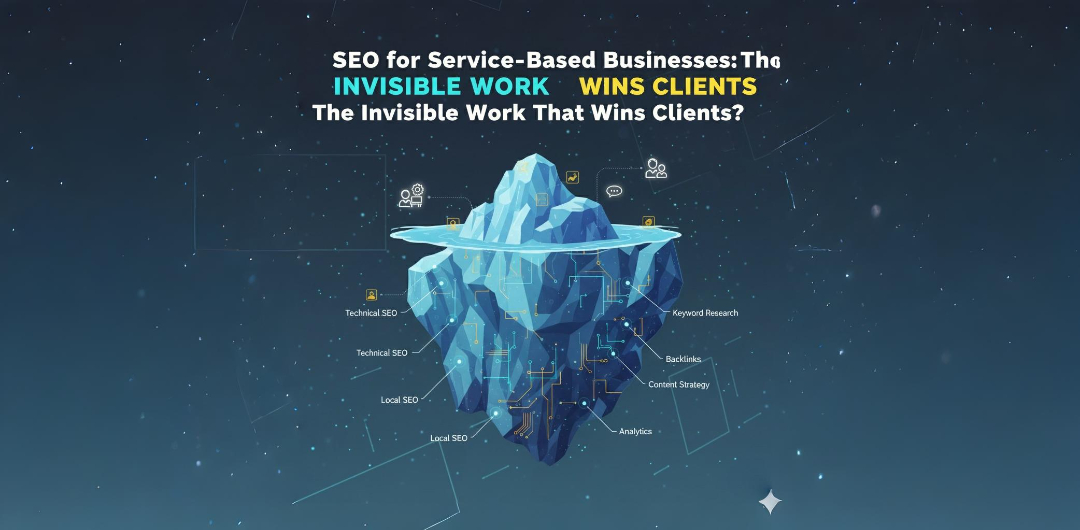
  • SEO for Service-Based Businesses: The Invisible Work That Wins Clients

    SEO for Service-Based Businesses: The Invisible Work That Wins Clients


    Introduction: The Work No One Sees But Everyone Feels

    Taylor once said, “The work you do when no one is watching is what defines you.” That’s what SEO feels like for service-based businesses. It’s quiet, consistent work that builds authority, visibility, and trust long before anyone notices the results.

    While product-based brands rely on flashy ads or impulse purchases, service businesses earn clients through credibility and expertise. And that trust starts with what you build behind the scenes.

    I’m Shrikant Bodke, a web developer and SEO-driven marketer with six years of experience helping service businesses attract clients organically. This post explores how SEO helps service providers turn invisible effort into measurable success.


    Why SEO Matters for Service-Based Businesses

    When people need a designer, lawyer, or consultant, they begin with a search. If your business doesn’t appear in those results, you’re losing clients who are already looking for exactly what you offer.

    Why it matters:

    • Builds credibility and authority through trust.

    • Attracts clients without constant paid advertising.

    • Strengthens brand awareness and client retention.

    Just like I shared in Love Story But Make It Digital: How to Turn Followers Into Clients, SEO is about nurturing connection until people are ready to commit.


    Step 1: Define Your Niche and Audience

    You can’t be everything to everyone. The most successful service providers know their ideal client inside out.

    Ask yourself:

    • What industries do I work with most?

    • Which services bring the best results?

    • What challenges do my ideal clients face?

    Example:
    A web developer in Mumbai might optimize for “WordPress development services India”, while a consultant in London might target “SEO consultant for small businesses London.”

    📖 Related: International SEO: Bridging the Gap Between India and Other Countries explains how to balance local and global visibility when serving international clients.


    Step 2: Optimize Service Pages for Conversions

    Your service pages are your digital storefront. They need to rank well and convince visitors to take action.

    Checklist:

    • Use keyword-rich, descriptive headings.

    • Add FAQs that answer client questions naturally.

    • Include testimonials, case studies, and reviews.

    • End with a strong call to action like “Book a Consultation.”

    Well-written service pages can turn interest into leads. For guidance on writing persuasive web copy, check out The Archer’s Guide to Content Marketing: Aim Your Words to Convert.


    Step 3: Strengthen Your Local SEO Foundations

    Even if you serve clients remotely, Google prioritizes local signals.

    Local SEO actions:

    • Create or update your Google Business Profile.

    • Add service areas, working hours, and descriptions.

    • Collect reviews regularly and reply to them promptly.

    • Use natural, location-based keywords within your content.

    📖 Related: Speak Now: Local SEO and Voice Search for Small Businesses explains how optimizing for local and voice search helps you appear in “near me” results.


    Step 4: Use Case Studies and Testimonials

    Proof drives confidence. Case studies and testimonials show potential clients the impact of your services.

    Tips:

    • Highlight the client’s problem, your process, and the result.

    • Add visual proof like screenshots, stats, or before-and-after examples.

    • Include names, photos, or company logos when possible.

    📖 Related: Reputation Remix: How Reviews, Testimonials and Trust Drive SEO explores how credibility and feedback strengthen SEO results.


    Step 5: Blog Like a Thought Leader

    Your blog is where expertise meets opportunity. Publishing useful, relevant posts positions you as an expert.

    Blog ideas for service businesses:

    • “How to Choose the Right [Your Service] Partner”

    • “Common Mistakes Businesses Make With [Your Service]”

    • “How We Helped a Client Achieve [Specific Result]”

    Consistency builds trust and traffic over time. If you’re unsure how to start, read From Blank Space to Page One: Crafting SEO-Friendly Blogs.


    Step 6: Build Trust Through E-E-A-T

    Google’s E-E-A-T (Experience, Expertise, Authoritativeness, and Trustworthiness) determines how much credibility your business holds online.

    How to demonstrate E-E-A-T:

    • Showcase real credentials, client logos, and results.

    • Create an “About” page that highlights experience and certifications.

    • Include author bios with links to verified profiles.

    • Keep your website layout professional and simple.

    📖 Related: Eras of SEO: From Keyword Stuffing to AI-Driven Strategies explains why authenticity is the new SEO currency.


    Step 7: Optimize for Voice and Mobile Searches

    More people are using voice assistants and mobile devices to find services.

    Example queries:

    • “Who is the best website designer near me?”

    • “Affordable accountant for freelancers.”

    To appear in voice search results:

    • Use conversational phrases in your content.

    • Add structured FAQs that answer common questions.

    • Test your site’s mobile performance using Google PageSpeed Insights.

    📖 Related: Speak Now: Voice Search SEO and the Future of Digital Marketing.


    Step 8: Track Leads and ROI

    SEO isn’t just about rankings; it’s about measurable growth.

    What to track:

    • Form submissions and phone calls.

    • Google Business Profile insights for local engagement.

    • Conversion rates from organic traffic.

    Use Google Analytics 4 to track which pages bring the most qualified leads.

    📖 Related: Social Media Metrics That Actually Matter (Taylor’s Version) highlights why tracking meaningful results drives smarter marketing decisions.


    India vs UK: Different Paths, Same Goal

    India:
    Focus on affordability, mobile-first design, and visibility. Long-tail and multilingual keywords perform well in regional searches.

    UK:
    Authority and reputation matter more. Case studies, professional design, and consistent content create stronger client trust.

    Both markets reward clear messaging, genuine reviews, and valuable content.


    Real-World Example

    An Indian consulting firm improved their inquiries threefold by optimizing service pages with FAQs and client reviews. They also added local keywords and Google Business updates weekly.

    Meanwhile, a UK-based agency focused on thought-leadership blogs and published detailed case studies. This led to international collaborations and a 40 percent boost in organic leads.


    Conclusion: The Invisible Work That Pays Off

    SEO for service-based businesses is like the quiet work that builds reputation. You may not see results immediately, but every optimization, review, and article contributes to visibility and client trust.

    Taylor’s creative reinventions show us the importance of evolution. The same applies here. Keep refining your strategy, track results, and continue the work no one sees but everyone feels.

    Want to grow your client base organically?

    I help service-based businesses in India and the UK build credibility and rank for meaningful searches. Explore my SEO and digital marketing services and let’s build the invisible strategy that drives real results.
  • Reputation: How Reviews, Testimonials and Trust Drive SEO

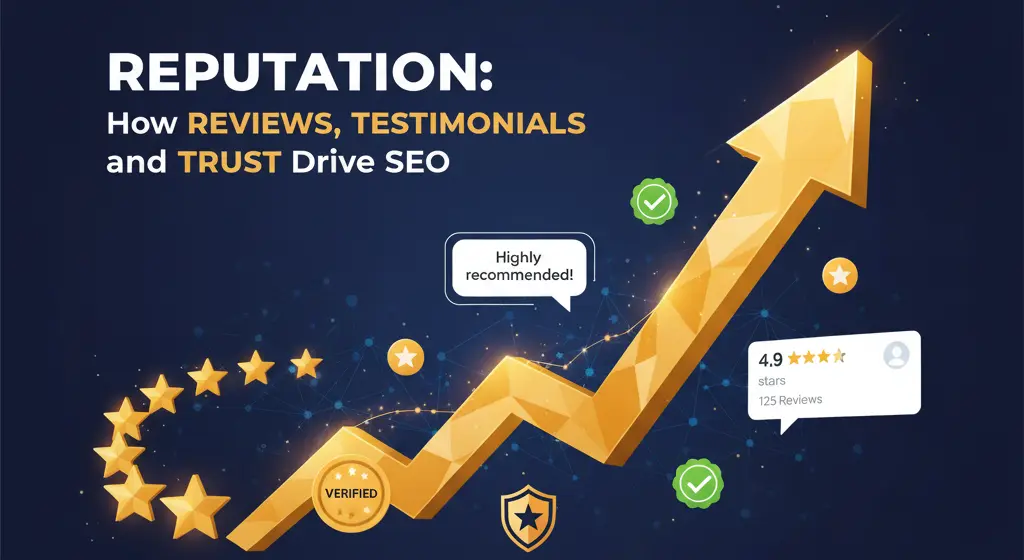
    Reputation: How Reviews, Testimonials and Trust Drive SEO

    Introduction: Reputation is the New Ranking

    In Reputation, Taylor Swift flipped the script. She showed that even negative talk can become power when you control your story. The same principle applies to SEO. Your online reputation shapes how people and search engines see your business.

    Positive reviews, real testimonials, and consistent trust signals are what make a brand credible. When customers trust you, algorithms follow.

    I am Shrikant Bodke, a web developer and SEO marketer who has spent over six years helping small businesses in India and the UK grow through authenticity and strategy. In this post, let us explore how reviews, testimonials, and trust can become your biggest ranking advantage.


    Why Reputation Matters for SEO

    Reputation is not just about image. It directly affects visibility and conversions. Search engines like Google rely on E-E-A-T (Experience, Expertise, Authoritativeness, and Trustworthiness) to evaluate websites.

    Why it matters:

    • Google prioritizes reputable and trustworthy businesses.

    • About 90 percent of customers read reviews before purchasing.

    • A single negative review can reduce conversions by up to 30 percent.

    When your business earns consistent positive feedback, search engines view it as a reliable result to show users. Search engines prioritize businesses that show authority and transparency. Building credibility through reviews, testimonials, and ethical SEO practices helps you adapt to algorithm updates and maintain visibility. For insights into where SEO is heading next, check out my post Shake It Off or Step It Up: The Future of SEO.

    📖 Related: Reputation and Rankings: Managing Your Online Presence Like a Pop Star


    Step 1: Encourage Genuine Reviews

    Your happiest customers are often the quietest. Encourage them to share their experience.

    Reviews also strengthen your visibility in local searches. When combined with a well-optimized Google Business Profile, they can help your business appear in “near me” and voice search results. Learn more in my blog Speak Now: Local SEO and Voice Search for Small Businesses.

    Tips:

    • Include direct links to your Google Business Profile.

    • Send polite follow-up emails or WhatsApp messages after service completion.

    • Display your best reviews on your homepage or service pages for credibility.

    This also strengthens local visibility. As I mentioned in Speak Now (Follow-Up): Local SEO and Voice Search for Small Businesses, reviews play a major role in “near me” searches and voice assistant recommendations.


    Step 2: Respond to Every Review

    Every review deserves a reply. Engaging with customers shows professionalism and care, even when feedback is not entirely positive.

    Best practices:

    • Thank customers for positive comments.

    • Respond calmly to criticism and offer a solution.

    • Never delete or ignore negative reviews.

    Example: A UK-based client I worked with made it a habit to respond to reviews within 24 hours. Within weeks, their Google ranking improved, and new customers specifically mentioned their responsiveness as a deciding factor.


    Step 3: Collect and Display Testimonials

    Testimonials add an emotional layer of trust. Unlike reviews, they come directly from clients you have worked with, adding authenticity and depth.

    Testimonials create emotional credibility, showing real people achieved results with your help. The right words can turn curiosity into conversions, a concept I explore in The Archer’s Guide to Content Marketing: Aim Your Words to Convert.

    How to use testimonials effectively:

    • Place them on your homepage and service pages.

    • Include names, photos, and business details when possible.

    • Repurpose them into short video clips or social media stories.

    When people see others vouch for you, they feel safe making a decision.

    📖 Related: Love Story, But Make It Digital: How to Turn Followers Into Clients


    Step 4: Add Review Schema for SEO

    Structured data helps search engines recognize and display your reviews in rich results. This can add star ratings, review snippets, and testimonials right under your search listing.

    Benefits:

    • Increases click-through rate (CTR).

    • Builds instant credibility in search results.

    • Reinforces authority in your niche.

    You can add this using plugins like Rank Math or manually via JSON-LD.

    📖 Related: Eras of SEO: From Keyword Stuffing to AI-Driven Strategies
    📚 External: Google Developers – Review Snippet Structured Data


    Step 5: Use Trusted Third-Party Platforms

    Depending on your industry, different review platforms can help you reach more people.

    Recommended platforms:

    • Trustpilot for general business reviews.

    • Clutch for B2B service providers.

    • Yelp or Zomato for restaurants and hospitality.

    • Facebook and LinkedIn for testimonials and recommendations.

    These platforms often appear independently in search results, increasing your visibility beyond your own website.


    Step 6: Create Case Studies as Proof

    Case studies are like storytelling with data. They help potential clients visualize results.

    How to create effective case studies:

    • Start with a challenge, show your solution, and highlight measurable outcomes.

    • Add short quotes from clients.

    • Include visuals like charts, screenshots, or before-after comparisons.

    I used this same storytelling method in Midnight Rankings: Late-Night SEO Strategies That Actually Work, showing how consistent background work drives visible results.


    Step 7: Monitor Brand Mentions and Feedback

    Your reputation is shaped not only by reviews but also by mentions on the web. Tracking what others say helps you engage positively and manage issues early.

    Useful tools:

    Acknowledging mentions, even casual ones, strengthens your connection with customers.


    Step 8: Reputation and SEO Work Together

    Strong reputation signals make SEO more effective.

    Combined impact:

    • Positive reviews improve local SEO rankings.

    • Testimonials with schema markup increase CTR.

    • Case studies and brand mentions boost your site’s E-E-A-T score.

    Trust helps you convert visibility into loyal customers.


    India vs United Kingdom: Different Paths to Trust

    India:
    Local language reviews and testimonials connect better with audiences. Many buyers still rely on personal recommendations, so showing authenticity in Hindi, Marathi, or other languages can create stronger trust.

    United Kingdom:
    Verified and detailed reviews matter more. UK audiences value transparency, quick responses, and professional presentation. Publishing client features or PR articles improves credibility.


    Real-World Examples

    India:
    A Mumbai salon started adding review request links to customer receipts and WhatsApp confirmations. Within two months, its Google rating jumped from 3.9 to 4.7, and walk-ins increased by 35 percent.

    United Kingdom:
    A consulting firm created LinkedIn posts featuring client testimonials and published case studies on its website. Organic leads rose by 40 percent within three months.


    Conclusion: Remix Your Reputation

    Taylor’s Reputation era was about reclaiming the narrative. In SEO, managing your online reputation is about doing the same. Reviews, testimonials, and trust signals are no longer optional. They are core ranking and conversion factors.

    Ask for reviews, reply thoughtfully, and showcase real client stories. Let your credibility speak louder than keywords. When customers trust your name, search engines do too.

    If you want help building a reputation that turns into rankings, explore my SEO and digital marketing services. Together, we can turn customer voices into your strongest SEO signal.